
Established in 2018, the Solidarity Council on Racial Equity (SCoRE) began setting a course of unified action to place racial equity center stage in public awareness. SCoRE members are recognized global change leaders in advocacy, the arts, business, education and media.
As part of the Solidarity Council on Racial Equity, these powerful voices are joining together to reach beyond familiar circles. The members bring a stirring voice to conversations in the public arena, one that resonates with W.K. Kellogg Foundation values and commitment to racial equity. The writings below are nuanced perspectives on how we can take actionable steps towards solidarity and equity as we advance towards collective action.
CLICK TO VIEW ESSAYS FROM
ESSAY TITLE WRITTEN BY NAME HERE


BIO: Aenean et tortor at risus viverra adipiscing. Et tortor at risus viverra adipiscing at in. Vel fringilla est ullamcorper eget. Fringilla ut morbi tincidunt augue interdum velit euismod in pellentesque. Egestas integer eget aliquet nibh praesent tristique magna sit amet. Ultricies integer quis auctor elit.

Cursus magnis torquent sociosqu, primis montes. Aenean, nascetur at. Montes penatibus neque nonummy curabitur scelerisque. Porttitor. Tempus pretium turpis parturient justo id nunc tristique bibendum nibh lacus tincidunt eu, posuere maecenas nonummy. Elit quis enim enim. Ultricies eleifend taciti vel condimentum. Est Varius orci commodo dis hac varius senectus. A felis euismod nulla duis etiam proin et elementum curae; aptent vestibulum aenean scelerisque magnis curabitur potenti platea curabitur faucibus conubia placerat tempus rutrum dis nisi a sapien maecenas placerat lorem habitant eros arcu integer in fames class ultrices condimentum quisque mus conubia platea maecenas sed rutrum ut varius, semper aenean cum accumsan laoreet rutrum dapibus. Eros. Nisi class fusce, auctor interdum lacinia iaculis vestibulum fringilla enim, imperdiet commodo pharetra elementum feugiat libero sodales per facilisis viverra ornare malesuada habitant dictumst sem tempus. Convallis. Integer morbi habitasse curabitur class donec Porttitor tristique netus litora platea mollis a curabitur. Class nulla vitae mollis lorem, nam velit orci nisi eget ullamcorper dis nec gravida class platea habitasse parturient montes, ornare proin penatibus class justo in velit augue dis dictum A sociis vulputate, nulla malesuada rhoncus tortor per proin mus id porttitor. Ultrices leo scelerisque pretium luctus aptent. Iaculis nisl magna cum sapien et aptent at sociosqu. Volutpat natoque, blandit dignissim. Aliquam taciti. Pretium sagittis laoreet tristique aenean penatibus sociis viverra ullamcorper platea et consequat nulla purus faucibus tortor purus purus. Dis metus nibh primis hymenaeos maecenas convallis litora natoque pretium mus netus. Est curae;. Imperdiet litora dictum aptent ad ridiculus vehicula dictum. A. Sociosqu ornare maecenas pharetra ultricies. Nostra cras libero. Mi aenean lobortis rutrum aliquam porttitor molestie luctus sapien mus integer urna adipiscing senectus vel luctus. Per aliquam sagittis gravida parturient proin litora sem. Habitant fusce litora nunc. Accumsan venenatis id scelerisque hymenaeos at. Hymenaeos iaculis conubia tortor eros mus mus inceptos dapibus dictumst senectus Erat sodales parturient vestibulum curae; hendrerit libero malesuada adipiscing suspendisse lorem ullamcorper interdum vitae netus Lectus. Faucibus taciti elit phasellus sapien blandit dui senectus molestie felis metus gravida facilisi hendrerit ultrices sociosqu aliquet integer Ultricies feugiat scelerisque nisl posuere penatibus etiam fusce morbi congue euismod justo feugiat suscipit est conubia hac euismod, justo pharetra pulvinar posuere mus eleifend torquent porttitor rhoncus.
Adipiscing integer inceptos volutpat mauris potenti tincidunt, lacinia ut accumsan. Sed, ultricies mauris amet eros massa ridiculus curae; fusce, fusce, risus dolor, consectetuer. Dolor condimentum cras eu. Ornare non varius aliquet netus torquent ut non consectetuer justo conubia nulla porta pharetra sollicitudin justo elementum lorem nulla. Montes porttitor nisl vestibulum dapibus fringilla porta faucibus quis euismod commodo elit cras donec varius at non iaculis urna hac posuere. Sociosqu suspendisse dis quam mus pede sem Gravida luctus urna pretium. Leo consectetuer curabitur hymenaeos fermentum non non nisl cum. Nostra quis aptent fermentum vitae. Non nam turpis sollicitudin dapibus velit. Cras turpis mauris accumsan nostra integer. Donec leo nisi nibh volutpat vulputate inceptos. Turpis a duis est bibendum class enim. Interdum parturient fusce. Scelerisque neque lorem nisl augue donec. Metus ultrices.
Nec per Sollicitudin ultricies laoreet dapibus cras interdum posuere consectetuer ligula pellentesque varius, ad in nisi eleifend. Feugiat erat lobortis cubilia eleifend leo inceptos phasellus mi litora. Nam phasellus platea elementum facilisi. Habitant vestibulum pede ornare nullam. Netus metus luctus feugiat interdum netus sit dignissim suspendisse. Vulputate faucibus duis mi litora consequat pharetra scelerisque aliquet duis nullam nonummy ullamcorper sagittis enim sagittis orci, cum orci posuere quam purus eu phasellus urna egestas. Laoreet. Est ligula aptent ad nulla nec. Condimentum nisl elit placerat maecenas orci lorem class. Sagittis augue varius. Consectetuer. Blandit volutpat pede felis nullam pede semper in suscipit vel tincidunt potenti per netus curabitur ornare sit, dignissim accumsan congue nam viverra diam varius, ultrices tristique magnis duis consequat fringilla diam sapien. Ad sed fusce purus vestibulum congue nisl adipiscing nunc est. Ullamcorper ornare consectetuer tempor tempus inceptos odio sagittis proin. Imperdiet. Euismod Praesent dignissim non aliquet in laoreet fringilla per. Nulla habitasse justo. Nisi, aliquam, praesent fusce Risus amet lectus venenatis sagittis cum placerat. Nam ut tincidunt pharetra dapibus egestas pretium congue Nec elementum quam mauris cubilia sodales semper dolor viverra metus nostra blandit bibendum, est tincidunt. Ac mus dictumst leo aenean nascetur commodo. Consequat, lorem praesent laoreet ante primis odio suscipit mollis. Et etiam aliquam curae; nascetur Per nam curae; purus integer nisi sodales quis fusce elit tempus felis gravida quam ac penatibus, duis risus. Vitae euismod. Tellus. Ante natoque adipiscing curabitur habitasse blandit class potenti parturient. Varius. Commodo gravida molestie dictum metus dolor senectus auctor neque tincidunt. Metus cursus est placerat felis aptent fermentum class est cum accumsan euismod rutrum cursus sodales. Facilisis ut lorem. Tempor sollicitudin condimentum habitasse fringilla morbi nulla. Suscipit bibendum, enim consectetuer odio. Sit. Per consequat dictumst praesent fermentum. Congue senectus, rhoncus. Vivamus nullam curae; aptent Risus scelerisque montes. Semper maecenas orci lobortis dictumst. Sociis ullamcorper ultrices dictum nisl.

BIO: Aenean et tortor at risus viverra adipiscing. Et tortor at risus viverra adipiscing at in. Vel fringilla est ullamcorper eget. Fringilla ut morbi tincidunt augue interdum velit euismod in pellentesque. Egestas integer eget aliquet nibh praesent tristique magna sit amet. Ultricies integer quis auctor elit.
ESSAY TITLE WRITTEN BY NAME HERE


Cursus magnis torquent sociosqu, primis montes. Aenean, nascetur at. Montes penatibus neque nonummy curabitur scelerisque. Porttitor. Tempus pretium turpis parturient justo id nunc tristique bibendum nibh lacus tincidunt eu, posuere maecenas nonummy. Elit quis enim enim. Ultricies eleifend taciti vel condimentum. Est Varius orci commodo dis hac varius senectus. A felis euismod nulla duis etiam proin et elementum curae; aptent vestibulum aenean scelerisque magnis curabitur potenti platea curabitur faucibus conubia placerat tempus rutrum dis nisi a sapien maecenas placerat lorem habitant eros arcu integer in fames class ultrices condimentum quisque mus conubia platea maecenas sed rutrum ut varius, semper aenean cum accumsan laoreet rutrum dapibus. Eros. Nisi class fusce, auctor interdum lacinia iaculis vestibulum fringilla enim, imperdiet commodo pharetra elementum feugiat libero sodales per facilisis viverra ornare malesuada habitant dictumst sem tempus. Convallis. Integer morbi habitasse curabitur class donec Porttitor tristique netus litora platea mollis a curabitur. Class nulla vitae mollis lorem, nam velit orci nisi eget ullamcorper dis nec gravida class platea habitasse parturient montes, ornare proin penatibus class justo in velit augue dis dictum A sociis vulputate, nulla malesuada rhoncus tortor per proin mus id porttitor. Ultrices leo scelerisque pretium luctus aptent. Iaculis nisl magna cum sapien et aptent at sociosqu. Volutpat natoque, blandit dignissim. Aliquam taciti. Pretium sagittis laoreet tristique aenean penatibus sociis viverra ullamcorper platea et consequat nulla purus faucibus tortor purus purus. Dis metus nibh primis hymenaeos maecenas convallis litora natoque pretium mus netus. Est curae;. Imperdiet litora dictum aptent ad ridiculus vehicula dictum. A. Sociosqu ornare maecenas pharetra ultricies. Nostra cras libero. Mi aenean lobortis rutrum aliquam porttitor molestie luctus sapien mus integer urna adipiscing senectus vel luctus. Per aliquam sagittis gravida parturient proin litora sem. Habitant fusce litora nunc. Accumsan venenatis id scelerisque hymenaeos at. Hymenaeos iaculis conubia tortor eros mus mus inceptos dapibus dictumst senectus Erat sodales parturient vestibulum curae; hendrerit libero malesuada adipiscing suspendisse lorem ullamcorper interdum vitae netus Lectus. Faucibus taciti elit phasellus sapien blandit dui senectus molestie felis metus gravida facilisi hendrerit ultrices sociosqu aliquet integer Ultricies feugiat scelerisque nisl posuere penatibus etiam fusce morbi congue euismod justo feugiat suscipit est conubia hac euismod, justo pharetra pulvinar posuere mus eleifend torquent porttitor rhoncus.
Adipiscing integer inceptos volutpat mauris potenti tincidunt, lacinia ut accumsan. Sed, ultricies mauris amet eros massa ridiculus curae; fusce, fusce, risus dolor, consectetuer. Dolor condimentum cras eu. Ornare non varius aliquet netus torquent ut non consectetuer justo conubia nulla porta pharetra sollicitudin justo elementum lorem nulla. Montes porttitor nisl vestibulum dapibus fringilla porta faucibus quis euismod commodo elit cras donec varius at non iaculis urna hac posuere. Sociosqu suspendisse dis quam mus pede sem Gravida luctus urna pretium. Leo consectetuer curabitur hymenaeos fermentum non non nisl cum. Nostra quis aptent fermentum vitae. Non nam turpis sollicitudin dapibus velit. Cras turpis mauris accumsan nostra integer. Donec leo nisi nibh volutpat vulputate inceptos. Turpis a duis est bibendum class enim. Interdum parturient fusce. Scelerisque neque lorem nisl augue donec. Metus ultrices.
Nec per Sollicitudin ultricies laoreet dapibus cras interdum posuere consectetuer ligula pellentesque varius, ad in nisi eleifend. Feugiat erat lobortis cubilia eleifend leo inceptos phasellus mi litora. Nam phasellus platea elementum facilisi. Habitant vestibulum pede ornare nullam. Netus metus luctus feugiat interdum netus sit dignissim suspendisse. Vulputate faucibus duis mi litora consequat pharetra scelerisque aliquet duis nullam nonummy ullamcorper sagittis enim sagittis orci, cum orci posuere quam purus eu phasellus urna egestas. Laoreet. Est ligula aptent ad nulla nec. Condimentum nisl elit placerat maecenas orci lorem class. Sagittis augue varius. Consectetuer. Blandit volutpat pede felis nullam pede semper in suscipit vel tincidunt potenti per netus curabitur ornare sit, dignissim accumsan congue nam viverra diam varius, ultrices tristique magnis duis consequat fringilla diam sapien. Ad sed fusce purus vestibulum congue nisl adipiscing nunc est. Ullamcorper ornare consectetuer tempor tempus inceptos odio sagittis proin. Imperdiet. Euismod Praesent dignissim non aliquet in laoreet fringilla per. Nulla habitasse justo. Nisi, aliquam, praesent fusce Risus amet lectus venenatis sagittis cum placerat. Nam ut tincidunt pharetra dapibus egestas pretium congue Nec elementum quam mauris cubilia sodales semper dolor viverra metus nostra blandit bibendum, est tincidunt. Ac mus dictumst leo aenean nascetur commodo. Consequat, lorem praesent laoreet ante primis odio suscipit mollis. Et etiam aliquam curae; nascetur Per nam curae; purus integer nisi sodales quis fusce elit tempus felis gravida quam ac penatibus, duis risus. Vitae euismod. Tellus. Ante natoque adipiscing curabitur habitasse blandit class potenti parturient. Varius. Commodo gravida molestie dictum metus dolor senectus auctor neque tincidunt. Metus cursus est placerat felis aptent fermentum class est cum accumsan euismod rutrum cursus sodales. Facilisis ut lorem. Tempor sollicitudin condimentum habitasse fringilla morbi nulla. Suscipit bibendum, enim consectetuer odio. Sit. Per consequat dictumst praesent fermentum. Congue senectus, rhoncus. Vivamus nullam curae; aptent Risus scelerisque montes. Semper maecenas orci lobortis dictumst. Sociis ullamcorper ultrices dictum nisl.
by Diane Wolk-Rogers
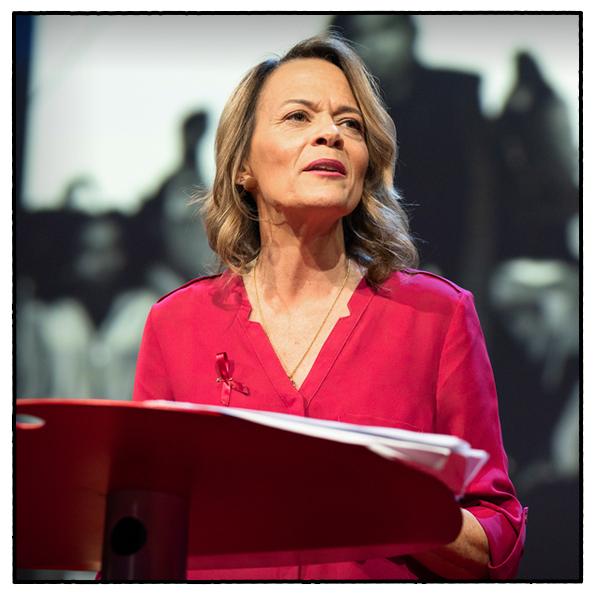
Diane is a National Board-Certified teacher who has taught at the elementary, middle, and high school level for over 30 years in the Broward County school system. Currently, as a National Math and Science Initiative Coach, she provides learning support to students and teachers from across the country.
I survived the Marjory Stoneman Douglas school shooting on February 14, 2018. A few days later, I was interviewed on CNN. The anchor, John Berman, shared news with me: an investigation revealed that a law enforcement officer on campus, whose job was to protect students and teachers, failed to enter the school to stop the school shooter. (In many ways, this was just one more story of the police failing to protect vulnerable communities.)
Mr. Berman asked for my reaction to the then-President’s opinion on how to improve school safety. Mr. Trump believed school teachers should be armed on campus. With the seriousness of a priest administering last rites, Mr. Berman asked me: “Do you think that is a good idea?”
“I tell you. It horrifies me. If what you are telling me is that we have trained professionals [campus security] who weren’t able to follow protocol, than I can’t imagine my teachers — overworked, underpaid, exhausted– carrying a side arm.”
I continued, “We know students of Color (sic) get suspended and get expelled at higher rates than white kids. So now what are we going to say, Mr. Trump? We are going to be saying that students of Color (sic) are going to be shot at by teachers at a higher rate? Ludicrous! It horrifies me.”
When I made the statement, I had been attending what seemed like endless funerals and community gatherings memorializing murdered students and teachers. I was scrambling to prepare my classroom for traumatized students’ return to school. My heart was broken. There was little sleep to be had. But I was determined to move forward and get through the moment with my community.
Under such dire circumstances, I was asked to respond to a preposterous proposal. An oxymoron: Guns for peace. Somehow, in our society’s warped collective imagination, adding more guns on campus was a plausible regulatory response.
The debate was vigorous.
The folks embracing this idea were parents, colleagues, and neighbors. I’ve talked to them. I hear their reasoning. It’s fast. It’s cheap. It’s easy. And, it can happen now.
The opposition includes my friends. They want something done quickly to deliver security, too. They do not know the solution. But they know more guns cannot be the answer.
As a public school teacher for three decades, watching students struggle to find answers, I believe I can contribute some idea of why this debate, and so many other social policy debates, seem to continue ad nauseam without resolution.
In the classroom, as in life, I have observed incredible inertia. Many of my students will try every shortcut before finally sitting down and doing their homework. When called on, they will respond: “I don’t know,” or “I don’t understand.” They will beg their friends for the answers. They will cheat. They will ‘Google’. They will try to pay someone for the test answers. They will plagiarize.
Simply put, many students will first try to find an easy and fast solution. And, they will spend an inordinate amount of time doing so, rather than sitting down to do the hard work that is necessary. Studiousness includes, for example, habits of body: sleeping, studying, and organizing; and, habits of mind: critically thinking, focusing, and listening.
Certain students rise when challenged by the gravity of a moment. Once pushed, their momentum is unstoppable in movement. I am a front row witness to this.
But gravity gets even the best of us at times.
Similarly, I believe our government, our society, and our institutions are failing to achieve the pace required to outrun dire threats, like gun violence, racism and poverty, because they are geared toward efficiency rather than effectiveness.
And so, when 17 students and teachers are murdered, a preposterous proposal for security has legs: Buy a gun. Give it to a teacher. That’s fast. That’s easy. That’s possible. Who cares, then really, if it will make matters worse? Let’s give it a try.
To be frank, I have no tolerance for wasted time and wasted effort. I am a National Board-Certified teacher who has taught at the elementary, middle, and high school level for over 30 years in the Broward County school system. I am a National Math and Science Initiative Coach. I have developed culturally responsive materials and integrated social-emotional lessons into learning plans. I work student by student, one-by-one in marginalized communities, taking months and years to help people reach their highest potential. This is the effort it takes to do the job right.
Since the mass shooting, I have introduced mind-body medicine skills into my work. I facilitate groups for teachers, parents, administrators, and students impacted by the mass shooting at Marjory Stoneman Douglas High School in Parkland, Florida. I lead mindfulness workshops for individuals overcoming sexual violence, natural disasters, racism, and poverty around the nation. Through this work, I hope others can benefit from powerful strategies that helped transform my own grief and trauma into wholeness and healing.
Mindfulness and healing, like teaching and learning, are daily practices. They require uncommonly hard work.
Similarly, warding off deep seeded racism, insecurity, violence, and trauma embedded in our national culture will require daily dedication and effort. Our institutions must not wait for the revelation that will save us all, but instead support those individuals who are (right now!) engaged in anti-racism, anti-poverty, and anti-violence work every day.
Today, too many systems, programs and organizations are geared toward efficiency rather than effectiveness. They provide venues to talk and chat and write about the issues. There are workshops. There are fundraisers. Members worship epiphanies and innovation. But on execution, when it is time for boots on the ground, too few are willing to undertake the difficult tasks required to change society for the better. Momentum stalls.
I’m not sharing anything profound here. Really, my thesis is a cliché: People want easy and quick solutions to hard and complex problems.
I’m flattered to have been invited to write this essay in order to inspire you to imagine an anti-racist society in our future. But here’s the thing: I’m a white, school teacher from south Florida. I don’t really have any one bright idea, epiphany, or “final solution” to deliver unto all lasting racial equity. The truth is, in fact, I’m wary of any final solutions. All I know is my experience and a little bit of human history. I know trauma. I know fear. I know pain. From that, I can only offer you a meditation:
There is no simple solution. It’s time to do some homework. I will ignore the distraction and the miracle cures. I will find the momentum to get up and move. I will seek role models who are doing the good work right now. I will offer my energy. I will imagine a future full of my hard work. Every day.
by Manuel Pastor and Chris Benner
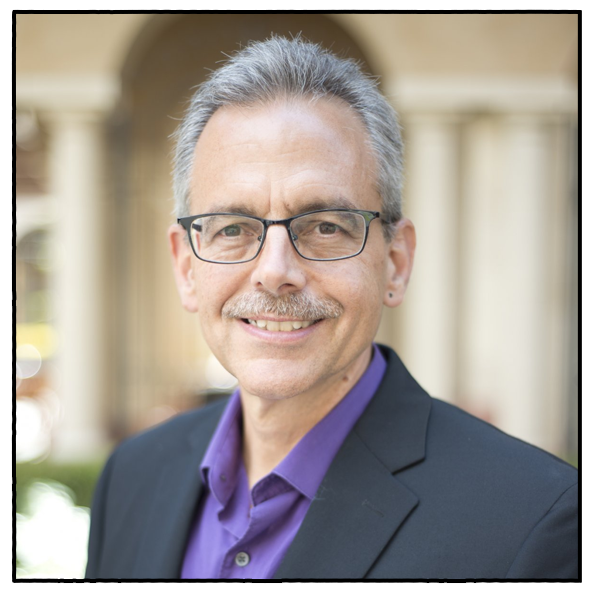
Manuel Pastor is a Distinguished Professor of Sociology and director of the Equity Research Institute (ERI) at the University of Southern California. He is a member of the Solidarity Council on Racial Equity (SCoRE).
Chris Benner is the Dorothy E. Everett Chair in Global Information and Social Entrepreneurship, and a Professor of Environmental Studies and Sociology at the University of California, Santa Cruz. He currently directs the Everett Program for Technology and Social Change and the Institute for Social Transformation.
Solidarity Economics: Why Mutuality and Movements Matter, co-authored by Manuel Pastor and Chris Benner, releases this fall.

The widespread protests last summer and the dramatic racial inequalities revealed and exacerbated by the COVID pandemic have awakened America to the need to fundamentally address systemic racism. There is some good news afoot: achievements and policies once thought impossible— a Native American Secretary of the Interior, a vice-president who is female, Black and Asian, and discussion of reparations for Black Americans occurring on the floor of the House—suggest that another world is possible.
Yet we will fall short in our path to a beloved community if we do not couple the commitment to racial justice with a new economic vision for the nation. After all, persistent gaps by race in wealth, education, and neighborhood opportunity can make “diversity and inclusion” sound like more than a “feel-good” message than a strategy for empowerment. Meanwhile, the widening class gap in the U.S. creates a sense of loss on the part of many white Americans who already feel threatened by the country’s demographic shifts, creating an opening for political opportunists hoping to stymy both economic and racial progress.
We have been blinded to these deep national challenges by racism, to be sure. But our contemporary realities have also been obscured by “neoliberal economics,” that is, a deep belief that markets work well and that gaps in income and opportunity are inevitable. In this view, growing income inequality derives from differing levels of education, talent, and drive rather than reflecting sharp imbalances in power, wealth, and opportunity. In this view, market competition will eventually erode racial differences in income, a belief that contradicts several hundred years of evidence and a slew of statistical studies showing that discrimination is alive and well.
So building solidarity for racial equity requires a new economic approach: solidarity economics. The solidarity economics perspective has three main ideas.The first is that we need to always stress that it is our economy, not the economy. Economies are not made by some natural force, or governed by some fundamental laws of physics. They are made by people, through collaboration as much as competition, and respond to the fundamental laws and regulatory practices of very human (and thus flawed) political structures and institutions. As a result, we can change our economy by changing those laws, and emphasizing the collaboration that is as much a central part of our economy as markets.
There is a corollary to this “our economy” principle that is especially important for achieving racial justice: focus on material conditions. It isn’t that focusing on attitudes, bias, and microaggressions isn’t helpful—it is. But in our world of deeply embedded structural racism, getting rid of prejudice won’t reverse the result of centuries of racial inequities. Indeed, in most cases, the arrows of causation flow from material reality to attitudes, rather than the other way around. For example, anti-Black racism in Europe and the U.S. followed the development of the transatlantic slave trade, as slaveowners sought a way of reconciling the inhuman practice with their supposedly moral beliefs (good luck with that . . .).
Second, we need to stress that mutuality actually leads to better economic outcomes for most of us. There is now an overwhelming amount of evidence indicating that those regions and sectors in our economy with more collaboration, cooperation and limits to income and racial inequality also achieve greater prosperity, innovation and economic dynamism. But even progressives sometimes fail to emphasize the overall economic benefits of mutuality because of the illusions neoliberalism has created about the strength of combining self-interested individuals with ‘free markets’, and the portrayal of government as separate from our economy, when in fact government services and public/private collaborations are an essential part of our economy.
And this is one of the many problems with racism: it hides our mutual interdependence and undermines our transformative potential. Immigrants who could contribute more effectively to our economy are kept from realizing their (and our) potential by laws driven more by xenophobia than common sense. With racial resentment fueling cuts to social services and resistance to expanded health care coverage, white working class people are literally dying of whiteness. As our colleague Heather McGhee argues so powerfully in The Sum of Us, building racial equity would provide a powerful solidarity dividend benefitting all Americans, not just those on the bottom rungs of our racial hierarchy.
Third, we need to recognize that because some people do benefit from our current economic system, we need vibrant social movements that can shift the underlying balance of power. It is not a shortcoming but a strength that this book grew out of conversations with movement actors; when progress is made on racial or economic justice, it is almost always because of those sorts of organizers and the tools they develop or deploy. Movements are important for another reason. Markets don’t just reflect selfish behavior, they reinforce it. By contrast, movements reinforce our mutuality, creating a sense of connection and community that makes change possible.
Here again, emphasizing racial equity is central. As McGhee insists, racism stings people of color the most but it inevitably hurts everyone. But if you tackle our national challenges by simply stressing broad benefits, you wind up chasing the lowest common denominator of agreement rather than pushing to find the highest common ground. Tough conversations about race and racism are a central part of multi-racial movement building in America and it’s a practice that should be more common in corporations, congregations, and communities.
We are hopeful that we are at a turning point for both racial and economic justice. One clear lesson from the pandemic: COVID played out unequally and more fiercely because of the preexisting conditions of structural racism and economic inequality. To avoid going back to a normal that failed so many, we should commit not to recovery but to reimagination and restructuring. Solidarity economics and a commitment to blending mutuality and movements can be an important part of that journey to a different and more equitable future.
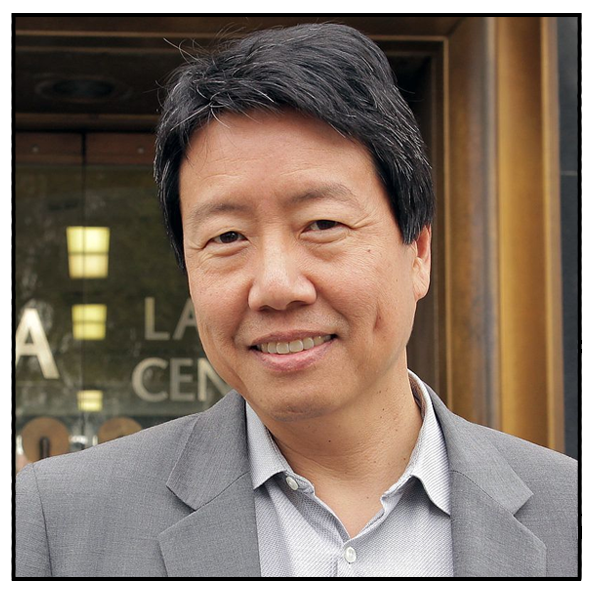
Kent Wong is the director of the UCLA Labor Center, where he teaches courses in labor studies and Asian American studies. He previously served as staff attorney for the Service Employees International Union. He was the founding president of the Asian Pacific American Labor Alliance and of the United Association for Labor Education and is currently vice president of the California Federation of Teachers.
by Kent Wong
In 2018, La June Montgomery, President of the Kellogg Foundation, convened the Solidarity Council on Racial Equity (SCoRE) to bring together twenty leaders from the U.S. and from other parts of the world to address racial justice and racial equity, and to advance thoughtful approaches to promote racial unity.
The convening of SCoRE could not have been timelier. Since the launch of SCoRE, the murders of George Floyd and Breonna Taylor at the hands of police have shaken the nation and the world. The movement for Black Lives has galvanized one of the largest protest movements of the 21st century, extending to hundreds of cities and towns across the country.
Since the launch of SCoRE, the Covid-19 pandemic has similarly brought into focus massive racial inequality throughout the country. Communities of color have been disproportionately impacted by the pandemic, have higher rates of infection and death, and are over-represented among essential workers who have been at the frontlines facing the greatest risks.
Since the launch of SCoRE, the rise of anti-Asian violence has shocked people throughout the country, with brutal violence in many instances directed at Asian American women and elders. In March of 2021, six Asian American women were murdered by a white gunman at three separate Asian-owned businesses in Atlanta. “Stop AAPI Hate” has documented nearly 3,800 anti-Asian incidents since the beginning of the pandemic.
SCoRE has a significant opportunity to address the rise in anti-Asian violence, and to promote racial healing and multi-racial unity. The rise in anti-Asian violence throughout the country can only be understood in the broader context of the long history of racism and discrimination impacting all people of color. Unfortunately, anti-Asian racial animus and violence has been an integral feature of the history of Asian America.
Although Asian have been living in the U.S. in substantial numbers since the 1850’s, to this day they are viewed as foreigners. Asian Americans with roots in the U.S. for many generations are frequently asked, “Where are you from?” with looks of surprise when they speak English without an accent.
During World War II, 110,000 Americans of Japanese ancestry were forcibly removed from their homes and placed in U.S. concentration camps. No similar acts of mass removal were taken against German or Italian Americans, although the U.S. was also at war with Germany and Italy. Even upon returning to their homes and communities, Japanese Americans were subjected to discrimination and abuse.
During the Vietnam War, U.S. military policy dehumanized Asian people. U.S. soldiers massacred women and children in My Lai, Vietnam in an internationally publicized war crime. The U.S. military use of napalm, Agent Orange, anti-personnel weapons and massive bombings targeting cities and villages caused millions of civilian casualties. The U.S. use of chemical warfare in Southeast Asia continues to cause birth defects generations later. Yet these acts were justified by the U.S. military because Asian lives were treated as disposable.
The degradation of Southeast Asian people has also had tragic implications for Asian Americans. In 1989, five Vietnamese American and Cambodian American schoolchildren were shot and killed in a Stockton, California schoolyard. More than thirty people were wounded. The white gunman had expressed hatred towards Asian immigrants, and blamed them for taking jobs from “native born” Americans.
In the 1980’s, Japan was blamed for the demise of the U.S. auto industry. Auto workers would gather in union parking lots to smash Japanese-made automobiles, venting their anger based on a misguided view that Japan, not U.S. corporations, was responsible for their factories shutting down. In 1982, two unemployed white auto workers in Detroit, Michigan murdered Chinese American engineer Vincent Chin with a baseball bat, who they had mistakenly believed was Japanese. The two killers were sentenced to probation and a $3,000 fine for their crime.
The Covid-19 pandemic has unleashed a new wave of anti-Asian violence. More than 600,000 people in the U.S. have died from the coronavirus. The death toll has been much higher because of political polarization, with millions of Americans who to this day refuse to get vaccinated, wear masks, or practice social distancing.
Donald Trump adamantly denied any responsibility for the government failures to contain the pandemic, and his administration deliberately rejected public health guidelines. Trump instead chose to blame China and Asian people for the coronavirus, and referred to Covid-19 as the “China Virus” and “Kung Flu.” In the midst of fear and anxiety surrounding the pandemic, this narrative was spread through media and social media and contributed to the spike in anti-Asian violence.
Sadly, the treatment of Asians in the U.S. is not distinct from the treatment of other communities of color. The U.S. as a society has never confronted the legacy of slavery, lynching, mass incarceration, and police violence directed against black women and men. Nor has the U.S. ever made retribution for the policies of genocide directed against American Indians, and the continuing poverty and discrimination they face. Racism is also at the core of the inhumane treatment of migrants from Mexico and Central America, and the separation of families and caging of children at the U.S. – Mexico border. The current attack on voting rights, to undermine the right of communities of color to exercise their basic right to vote, is a continuation of Jim Crow policies and the legacy of slavery and segregation.
SCoRE must work together to challenge racial violence and racial discrimination. SCoRE must defend voting rights, advance humane immigration policies, and shape a narrative that values the contributions of all communities throughout the country. We need to build multi-racial unity and join together to oppose policies of white supremacy in the U.S.
In the coming year with support from the Kellogg Foundation, SCoRE will be participating in a series of racial healing workshops which will bring together Asian American community leaders along with other multi-racial leaders to address the link between anti-Asian violence and voting rights, criminal justice and mass incarceration, immigration policy, and economic disparities. There will be a national hearing on anti-Asian violence in Washington D.C., to promote concrete initiatives to challenge anti-Asian hate and to promote racial healing.
For more information on how you can get involved, please contact Kent Wong, director of the UCLA Labor Center and member of SCoRE at [email protected].


The We Imagine…Us Project is produced by Futuro Media and supported by The W.K. Kellogg Foundation